

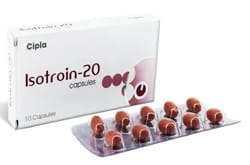
Buy Isotretinoin Online: Best Prices and Fast Shipping
Clinical Applications for Severe Nodular Acne
When standard creams fail, many patients feel like they are fighting a losing battle against their own skin. For those battling severe, disfiguring nodular acne, isotretinoin acts as the heavyweight champion in the dermatological ring. It is specifically designed for recalcitrant cases where traditional methods simply cannot hold the line against deep, painful inflammation.
Think of it as the “last resort” that often becomes the most effective solution. It is typically reserved for those whose skin is under constant siege by deep cysts. Because the condition can lead to permanent scarring, doctors often move quickly to this powerful oral retinoid to prevent lasting physical and emotional damage.
Doctors generally follow a strict protocol before pulling this trigger. It isn’t a first-line defense but rather a strategic intervention. The goal is to address the root of the problem when the skin’s natural healing processes have clearly been overwhelmed by persistent, aggressive acne cycles.
The decision to start this treatment is never taken lightly. It often follows a period of frustration where patients have tried everything under the sun. If the acne is scarring or causing significant distress, the conversation shifts from management to a more aggressive, systemic approach to clear the skin entirely.
Comparing Efficacy and Mechanisms
In the past, doctors might have leaned heavily on topical creams or oral antibiotics to manage breakouts. However, these often feel like trying to put out a forest fire with a garden hose. They might dampen the flames temporarily, but the underlying heat remains, often leading to a quick relapse once the medication stops.
Isotretinoin works on a much deeper level by fundamentally changing how the skin functions. While antibiotics try to kill bacteria, and topicals try to soothe the surface, this oral retinoid attacks the source. It works by significantly reducing sebum production, essentially drying up the fuel that the acne bacteria need to thrive.
It is a game-changer because it tackles multiple factors at once. It reduces the size of the sebaceous glands and normalizes the way skin cells shed. Instead of cells clumping together and clogging pores, they move through the skin smoothly, preventing the buildup that leads to those dreaded, painful nodules.
Patients often find that while other treatments require constant vigilance, this approach offers a more permanent sense of relief. It is the difference between managing a leak and replacing the entire plumbing system. The results are often much more profound and long-lasting than any topical solution could ever hope to achieve.
| Treatment Type | Primary Action | Typical Result |
| Topical Therapies | Surface-level inflammation | Temporary relief |
| Oral Antibiotics | Reducing bacteria counts | High relapse rate |
| Isotretinoin | Sebum reduction | Long-term clearance |
Prescribing Criteria and Off-Label Uses
A dermatologist won’t simply hand this out on a whim. There are strict criteria that must be met before a prescription is written. Generally, a patient must have failed other acne medications or have been unable to tolerate them. It is a heavy-duty tool that requires a careful, measured hand to use safely.
Commonly, the medication is prescribed when acne is:
- Severe and disfiguring in nature.
- Recalcitrant to conventional therapies.
- Likely to cause permanent scarring.
- Not responding to systemic antibiotics.
Interestingly, the reach of retinoids extends far beyond the realm of dermatology. In certain medical contexts, such as the treatment of specific cancers like neuroblastoma, isotretinoin has been utilized off-label. This highlights the potent, cellular-level influence this class of drugs has on rapidly dividing cells.
Navigating the costs and side effects is part of the journey. While a prescription might cost upwards of $50 or $100 depending on the brand and dosage, the long-term value of clear skin is often the priority for patients. It is a significant commitment, both financially and physically, to achieve lasting dermatological health.
Standard Dosage Protocols and Administration
Navigating the logistics of this medication feels like following a complex flight plan. Your dermatologist will tailor the dose strictly to your body weight, aiming for a specific cumulative dose over several months. Usually, this falls between 0.5mg and 1.0mg per kilogram of body weight daily, depending on how stubborn the breakouts are.
It is not a “one size fits all” scenario in the clinic. Some patients might start on a lower dose to let their bodies adjust, while others require a more aggressive approach to tackle deep nodules. The goal is to reach that cumulative threshold without causing excessive toxicity, making the daily math vital for success.
Timing your dose is just as critical as the amount you swallow. You should always take these capsules with a high-fat meal, such as one containing avocado, eggs, or peanut butter. Without that dietary fat, your body might simply flush the medication away, leaving you with nothing but an empty stomach and wasted pills.
Think of fat as the delivery driver for the medicine. If the driver doesn’t have a clear road, the package never reaches its destination. Skipping a meal when taking your dose can significantly drop your blood levels, essentially stalling your progress and making the entire treatment cycle feel like a slow walk through mud.
The side effects can feel like a heavy price to pay for clear skin. Most users experience significant dryness, which can turn skin into parchment paper. You might also notice cracked lips, stinging eyes, or even subtle changes in your mucosal membranes, making everything feel uncomfortably parched throughout the day.
It is helpful to stay ahead of these issues with a proactive toolkit. Keep heavy-duty lip balm, fragrance-free moisturizers, and saline drops close at hand. While these symptoms are common, they are a sign that the medication is working its magic on your sebaceous glands and requires constant skin care management.
Safety is the North Star of this protocol, requiring strict medical supervision. Regular blood tests are non-negotiable to monitor liver function and triglyceride levels. Your doctor needs to ensure your internal organs are handling the systemic shift well, so you must stay diligent with every scheduled lab appointment.
This is not a “set it and forget it” therapy. Because the medication alters your internal chemistry, your physician will watch you like a hawk. If your bloodwork shows any red flags, they may pause or adjust your dose immediately to keep your health on an even keel.
Treatment cycles typically last several months, often ranging from six to nine months to ensure the best dermatological results. This duration is designed to prevent a relapse by ensuring the skin’s cellular turnover remains normalized long after the last pill is taken.
The following table provides a breakdown of typical monthly costs associated with various pharmacy options and support plans:
| Pharmacy Plan Type | Monthly Co-pay Est. | Insurance Coverage | Estimated Total |
| Standard Brand Name | $85 | Partial | $150 |
| Generic Option | $40 | High | $65 |
| Manufacturer Savings Card | $25 | Variable | $45 |
| Out-of-Pocket (No Ins.) | $350 | None | $400 |
Comparing Isotretinoin Brands and Costs
Walking into a pharmacy and seeing a price tag for a specialized medication can feel like a punch to the gut. For many, the financial aspect of acne treatment is just as daunting as the physical side effects. You might find yourself standing at a crossroads between the familiar name-brand options and the more budget-friendly generic alternatives available today.
Generic isotretinoin is often the hero for those watching their bank accounts closely. Because these versions contain the same active ingredient as the brand-name versions, they offer a lifeline for patients on a tight budget. While the name on the bottle might change, the chemical work being done inside your body remains virtually identical to the more expensive versions.
Choosing between these options often boils down to a trade-off between brand recognition and cost-effectiveness. Some patients feel more comfortable with a name they recognize from decades of medical history, while others simply cannot justify the markup. It is a deeply personal decision that requires balancing your peace of mind against the reality of your monthly grocery bill.
The Price Gap Between Generic and Brand Name
The price discrepancy between generic and brand-name isotretinoin can feel like a canyon. Brand-name medications often carry a premium price tag because they fund the extensive research and marketing that built the drug’s reputation. For many patients, this premium can feel like a steep mountain to climb when they are already dealing with the stress of severe acne.
Generic options, on the other hand, enter the market once the patent protections have expired. This influx of competition typically drives prices down, making the medication much more accessible to the average person. It is a classic example of how market competition can drive down costs, allowing more people to access life-changing medical therapies without breaking the bank.
When you look at the monthly breakdown, the numbers tell a clear story. A higher dosage, such as 40mg, will naturally cost more than a 10mg dose simply because you are consuming more active material. It is important to view these costs through the lens of your specific prescription strength and how long your treatment cycle will last.
- Generic 10mg dose: Typically ranges from $40 to $70 per month.
- Generic 40mg dose: Often falls between $120 and $180 per month.
- Brand-name 10mg dose: Can start at $150 and climb much higher.
- Brand-name 40mg dose: Can exceed $400 without insurance assistance.
Navigating Absorica and Other Alternatives
For patients aged 12 and older, Absorica has carved out a specific niche in the market. It is often prescribed when standard treatments have failed to clear severe nodular acne. Some clinicians prefer this option because of its specific formulation, which is designed to be taken with food to ensure the body absorbs it effectively.
Comparing Absorica to other alternatives like Accutane involves looking at both the clinical intent and the cost. While the active ingredient is the same, the delivery system—how the drug is packaged into capsules—can vary. This can influence how your body processes the medication and how much dryness or discomfort you experience during the journey.
Many patients find themselves debating whether the specific brand matters as much as the results. If your skin is reacting poorly to one version, your dermatologist might suggest switching to a different brand. It is a bit like switching brands of coffee; the caffeine hits the same, but the experience of drinking it can feel slightly different.
Factors Influencing Retail Price
Several moving parts dictate what you eventually pay at the register. The retail price is influenced by manufacturing complexities, the rarity of certain dosage strengths, and the sheer demand for the medication. If a specific capsule size is in short supply, you might see a sudden spike in what the pharmacy asks for at the counter.
Supply chain hiccups can also play a role in your monthly expenses. If a manufacturer faces a shortage, the remaining stock might become more expensive or harder to find. It is a frustrating variable that can turn a predictable monthly expense into a moving target, making it difficult for patients to plan their finances effectively.
The complexity of the distribution network also adds layers to the final cost. Between the manufacturer, the wholesaler, and the local pharmacy, each entity adds a small margin to the price. By the time the bottle reaches your hands, those small additions have accumulated into a significant total that can catch many people off guard.
The Role of Insurance Coverage
Insurance is often the deciding factor in whether a patient can complete their full course of treatment. Without a robust plan, the cost of oral retinoids can become a heavy burden that leads to skipped doses. This is a serious problem, as incomplete treatment can lead to a relapse of the acne you were trying to cure.
Many insurance providers require “prior authorization” before they will agree to pay for these medications. This means your doctor has to prove that you have tried and failed other, less expensive treatments first. It can feel like a bureaucratic hoop to jump through, but it is a standard part of managing high-cost specialty drugs.
Managing long-term expenses requires being a proactive advocate for your own healthcare. You might need to utilize manufacturer savings cards or look into patient assistance programs to bridge the gap. Think of it as a marathon, not a sprint; having the right financial support system in place is essential for reaching the finish line of clear skin.
Navigating the Prescription and Purchasing Process
Walking into a doctor’s office to discuss Isotroin is a serious conversation. In the United States, you cannot simply pick this up off a shelf like a bottle of aspirin. Because of the potency of the medication, a physician’s prescription is a legal requirement. This ensures that your skin journey is supervised by a professional who understands the heavy-duty nature of the drug.
It is not just about getting a slip of paper, though. The process involves a rigorous series of safety protocols designed to protect your health. New patients must undergo mandatory counseling to understand the potential side effects. This isn’t a lecture meant to scare you, but rather a roadmap to ensure you know exactly what to expect during treatment.
Doctors will often demand blood tests to monitor your liver function and cholesterol levels. They are essentially checking the engine while you are driving at high speeds. If your levels fluctuate, your physician might adjust your dose or pause treatment entirely. This oversight is the primary safeguard against the more severe risks associated with oral retinoids.
Finding Legitimate Medication Fulfillment
Once you have your prescription, the next hurdle is finding a pharmacy that can actually fulfill it. You should look for reputable, licensed pharmacies that offer transparent pricing and verified shipping methods. It is often best to stick with major chains or specialized dermatological pharmacies that are accustomed to handling these specific types of high-sensitivity medications.
Avoid the temptation of “too good to be true” deals found on social media or obscure websites. If a site claims you can skip the doctor and buy Isotroin directly, run the other way. These rogue vendors are often operating outside the law, and you have no way of knowing if the contents of those capsules are actually what they claim to be.
When comparing costs, keep an eye on the total price including shipping and handling. A pharmacy might list a low price for the pills, but the shipping costs can skyrocket. It is always wise to call the pharmacy ahead of time to confirm they have your specific dosage in stock. This prevents the headache of paying for a prescription that they cannot actually deliver.
The Dangers of Unregulated Sources
The internet is a vast ocean, but not all of it is safe to navigate. Purchasing unregulated isotretinoin from unverified sources is like playing Russian roulette with your health. These illicit sellers often bypass the strict quality controls required by the FDA. You might think you are saving $50, but the cost to your body could be infinitely higher.
Unregulated pills may contain the wrong dosage, no active ingredient at all, or even dangerous contaminants. Without the oversight of a pharmacist, there is zero accountability for what is inside that capsule. It is a gamble that no patient should ever take, especially when dealing with a medication that requires such precise biological management.
If you encounter a website that refuses to ask for a prescription, consider it a massive red flag. Legitimate medical providers will never bypass the legal requirement for a doctor’s sign-off. Protecting your wallet is important, but protecting your internal organs and your skin’s long-term health must always come before finding a cheap bargain online.
Verifying Your Medication
When your package finally arrives, do not just tuck it into your medicine cabinet and forget about it. You must take a moment to verify the medication’s authenticity. Check the manufacturer’s labeling carefully to ensure the name, strength, and expiration date match your prescription exactly. Any discrepancy is a reason to stop use and call your doctor immediately.
Check the integrity of the packaging as well. The capsules should be in their original, sealed container. If the seal looks tampered with or the bottle arrives crushed, do not consume the contents. You have a right to receive medicine that has been handled with care and stored under the correct temperature conditions during transit.
To stay organized, you might want to keep a simple log of your medication details. It helps to know exactly what you are taking and when you received it. This level of diligence is your best defense against error. Staying vigilant ensures that your path to clear skin is defined by medical science rather than guesswork.
| Verification Step | What to Look For | Action if Incorrect |
| Manufacturer Label | Correct dosage (e.g., 10mg, 20mg) | Contact pharmacy immediately |
| Seal Integrity | Unbroken plastic/tamper-evident wrap | Do not consume; request replacement |
| Expiration Date | Date is well into the future | Dispose of safely and report vendor |
Shipping Logistics and Handling Requirements
Environmental Stability and Transit Care
Think of your Isotroin capsules as delicate travelers. These potent retinoids are notoriously sensitive to the whims of Mother Nature. If they sit in a sweltering delivery truck for too long, the chemical structure can degrade. This isn’t just a minor inconvenience; it can render your expensive prescription entirely useless before you even open the box.
Most reputable pharmacies mandate strict temperature controls to keep the medication stable. You should expect your shipment to be kept in a cool, dry environment, ideally between 59°F and 77°F. If you live in a tropical climate, you might even see pharmacies include specialized cooling inserts. It is a small price to pay for ensuring the medicine actually works.
A sudden spike in heat during transit is like a thief in the night, stealing the efficacy of your treatment. If your package arrives feeling warm to the touch, do not assume the pills are fine. It is better to be safe than sorry. Contact your provider immediately to discuss whether the integrity of the capsules has been compromised by the heat.
Storage doesn’t end once the package hits your doorstep, either. Once the box is inside your home, keep it away from the bathroom sink where humidity reigns supreme. A dark, cool cupboard is your best friend. Keeping your medication in a stable environment ensures that every dose remains as potent as the very first one.
Delivery Timelines and Tracking Protocols
When you are dealing with severe, disfiguring nodular acne, every day feels like an eternity. You might find yourself checking the mailbox every hour. Typically, prescription dermatological orders take anywhere from three to seven business days to arrive. However, this timeline can shift depending on your specific location and the pharmacy’s current workload.
Because Isotroin is a controlled medical shipment, the logistics are a bit more rigorous than a standard Amazon package. Pharmacies use high-security shipping protocols to ensure the medication reaches the correct hands. You should expect a detailed tracking number via email. This allows you to follow its journey from the pharmacy vault to your front porch.
If your tracking information shows a “delivery exception,” do not panic, but do stay alert. It might mean a signature is required or that the carrier encountered a delay. Since these are medical supplies, you shouldn’t let them sit in a post office for days. If there is a hiccup, call your pharmacy to clear up any confusion quickly.
Sometimes, the logistics get a bit complicated if you are ordering from a specialized facility. A delay might cost you an extra $15 in expedited shipping fees, but it is often worth it for peace of mind. Always check the estimated arrival window provided at checkout to manage your expectations and avoid unnecessary stress.
Packaging Standards and International Barriers
The physical packaging of your medication is its first line of defense. Legitimate pharmacies use tamper-evident seals and heavy-duty, child-resistant bottles. This ensures that the capsules do not rattle around or break during a bumpy ride in a delivery van. A crushed bottle is a major red flag that suggests poor handling or low-quality service.
If you are looking to have medication sent across borders, you are entering a legal minefield. Many countries have incredibly strict regulations regarding retinoids. You might find that your package is held up in customs indefinitely. Navigating these international shipping restrictions requires a mountain of paperwork and a very deep understanding of local medical laws.
In many cases, it is significantly easier and cheaper to work with a local, licensed provider. Trying to bypass international laws can lead to your shipment being seized or destroyed. You might save $40 on the initial order, but the headache of a lost shipment is a heavy burden to carry.
Always confirm the customs requirements for your specific country before hitting that “order” button. Some regions require specific documentation from your dermatologist to prove the medication is for personal use. Being proactive can save you from a logistical nightmare that leaves you without your necessary treatment for weeks on end.
| Shipping Factor | Ideal Condition | Warning Sign |
| Temperature | Cool and dry (59°F-77°F) | Package feels hot or damp |
| Packaging | Sealed, intact, child-resistant | Crushed box or broken seal |
| Customs (International) | All documentation provided | Held in customs or seized |
Safety Warnings and Risk Management
Taking a powerful medication like Isotroin is a bit like steering a high-performance vehicle; it requires constant attention and a steady hand. While it can be a real lifesaver for stubborn acne, it is not a “set it and forget it” solution. You must stay vigilant to ensure your treatment remains a benefit rather than a burden to your health.
One of the most critical, non-negotiable warnings involves pregnancy. This medication is incredibly potent and carries a significant risk of causing severe birth defects if a person becomes pregnant while using it. It is a heavy reality to face, but the science is clear: the medication can fundamentally alter fetal development. If there is any chance of pregnancy, stop the medication immediately.
For those who are of childbearing age, doctors often insist on strict, monthly pregnancy tests to ensure total safety. It is a rigorous process that might feel like a chore, but it is the only way to prevent a lifelong tragedy. Never attempt to “guess” your cycle; always rely on medical testing to confirm you are not at risk during your therapy.
Beyond the physical risks to a developing child, there are psychological factors to keep on your radar. Sometimes, the skin clears up, but the mood takes a dip. You might find yourself feeling unusually irritable, anxious, or even experiencing bouts of depression. It is vital to listen to your mind as closely as you listen to your skin.
If you notice a sudden shift in your temperament, do not just shrug it off as “stress.” Mental health is a cornerstone of overall wellness. If the shadows of sadness or anger start to creep in, talk to your doctor right away. Managing these emotional side effects early can prevent a mental health crisis from spiraling out of control.
Internal Health and Physical Care
Your body undergoes significant internal shifts while on this treatment. Specifically, your liver and your blood lipids—the fats in your blood—can see some unexpected spikes. Think of it as your internal chemistry recalibrating to handle the high potency of the retinoid. Regular blood work is the only way to see what is happening beneath the surface.
Doctors will typically order periodic lab tests to monitor your liver enzymes and cholesterol levels. If your levels climb too high, your provider might suggest lowering your dose or pausing treatment entirely. It is a balancing act, but staying on top of these tests ensures that your organs remain healthy and functioning as they should.
Hydration is your best ally during this journey. The medication is notorious for drying out everything from your lips to your eyes. It can feel like you are walking through a desert without a canteen. Drinking plenty of water is essential to help your body process the medication and to mitigate the intense dryness that often occurs.
Skin protection is equally vital because your skin becomes hyper-sensitive to the sun. You might find that a simple walk to the mailbox leads to a painful sunburn. Invest in a high-quality, broad-spectrum sunscreen and wear hats or protective clothing. Treating your skin like delicate silk is the best way to avoid irritation and scarring.
If you experience any of the following, reach out to your healthcare provider immediately:
- Severe abdominal pain or persistent nausea.
- Significant changes in mood, including thoughts of self-harm.
- Yellowing of the eyes or skin (jaundice).
- Severe, debilitating headaches that do not go away.
- Vision changes or extreme sensitivity to light.