

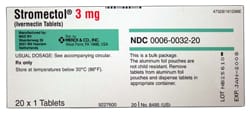
Buy Stromectol Online: Best Prices and Fast Shipping
Targeted Parasitic Infections and Clinical Uses
Think of this medication as a specialized strike team designed to hunt down intruders within the human body. It doesn’t just sit idly by. Instead, it actively seeks out the biological vulnerabilities of certain worms. Once it encounters the target, the drug essentially paralyzes the intruder’s nervous system, leaving it unable to hold on or feed.
On a molecular level, this process is quite fascinating. The drug interacts with glutamate-gated chloride channels, which are unique to certain organisms. By opening these channels, it causes an influx of ions that leads to hyperpolarization. In plain English, the parasite becomes paralyzed, unable to move or maintain its grip on the host’s intestinal lining.
Once the parasite is immobilized, it loses its ability to sustain itself. It eventually loses its way and is flushed out of the digestive tract. It is a precise mechanism that targets the “wiring” of the worm without disrupting the human host’s own neurological pathways, making it a highly effective tool for clinical practitioners.
Managing Intestinal Strongyloidiasis
Strongyloidiasis is a stubborn guest that often settles in the small intestine. It is caused by the nematode *Strongyloides stercoralis*, a parasite that can replicate inside the body. Dealing with this can feel like trying to sweep up sand in a windstorm, as the worms have a way of persisting through the gut’s natural cycles.
Stromectol is the primary line of defense against this specific intestinal threat. It works to clear the infection by targeting the larvae and adult worms living within the mucosal lining. Physicians often prescribe it to ensure the entire population of parasites is neutralized, preventing the cycle of reinfection from continuing indefinitely.
It is important to note that while the drug is incredibly effective at killing worms, it has its limits. For instance, if the infection has progressed to a point where large adult worms are physically present in the tract, they might require surgical excision. However, for most standard cases, the oral tablets do the heavy lifting.
Patients should follow their doctor’s specific instructions regarding timing. For example, taking the medication on an empty stomach—at least one hour before a meal—is often recommended. This ensures that the drug is absorbed efficiently, allowing it to go to work without being blocked by the food you just ate.
Eradication of Blood Parasites
Sometimes, the invaders aren’t content with staying in the gut; they decide to take a trip through the bloodstream. Certain parasitic infections can manifest in the blood, posing a significant threat to a patient’s overall health. This is where the systemic reach of the medication becomes absolutely vital for recovery.
When the drug enters the circulatory system, it acts as a widespread deterrent. It seeks out the parasites that have migrated into the blood, effectively shutting down their ability to thrive. This systemic action is crucial for preventing the infection from spreading to other vital organs or causing more severe complications.
The ability to treat blood-borne parasites makes this a versatile tool in tropical medicine. Doctors often rely on it to manage various parasitic loads that might otherwise go unnoticed until they become symptomatic. It acts as a shield, cleaning the bloodstream and restoring the body’s natural equilibrium.
Because these infections can be quite serious, medical supervision is non-negotiable. A healthcare provider will determine the appropriate dosage based on the patient’s weight and the severity of the parasitic presence. It is a targeted approach designed to clear the blood without causing unnecessary chaos in the host.
Clarifying Non-Efficacy
It is vital to clear up some common misconceptions regarding what this medication can and cannot do. You might hear people discussing it in relation to many different ailments, but it is not a “magic bullet” for everything. It is a specialized tool, not a universal cure-all for every ailment.
Specifically, this medication has no effect on viral or bacterial infections. If you are battling the common cold, the flu, or a bacterial infection like strep throat, this medication will be as useless as a screen door on a submarine. It simply does not recognize or attack those types of pathogens.
To keep things clear, I have outlined the differences in the table below:
| Infection Type | Effectiveness of Stromectol | Reasoning |
| Parasitic (e.g., Roundworms) | Highly Effective | Targets parasite nervous systems. |
| Viral (e.g., Flu/Cold) | No Effect | Does not target viral structures. |
| Bacterial (e.g., Strep) | No Effect | Lacks antibacterial properties. |
Using this medication for a virus is a waste of time and resources. Always consult with a professional to ensure you are using the right tool for the specific job at hand. Misusing medication can lead to unnecessary side effects without providing any actual benefit to your recovery process.
Standard Dosage Protocols and Administration
Navigating the specifics of a prescription can feel like trying to solve a puzzle without all the pieces. When it comes to Stromectol, the “how” is just as vital as the “why.” Taking the medication incorrectly can be like trying to catch a ghost; you might be doing the work, but the results just won’t manifest properly.
Precision is the name of the game here. Your doctor will typically determine your specific dose based on your body weight to ensure the concentration in your system is high enough to do the job. For instance, if you fall into the 15-24 kg range, the standard instruction is often a single 3 mg dose. It’s a calculated strike designed for maximum impact.
For those weighing between 25 and 35 kg, the protocol may shift to accommodate the higher body mass. Following these weight-based guidelines ensures you aren’t under-dosing, which could allow the parasites to persist, or over-dosing, which increases the risk of unwanted side effects. Always stick to the numbers your healthcare provider provides to stay on the safe side.
Managing the infection requires a clear understanding of what is actually being targeted. It is a common misconception that a single course of tablets will sweep away every single intruder. You must distinguish between the different life stages of the parasite to set realistic expectations for your recovery and follow-up care.
Managing Larvae and Adult Worms
The medication is a powerhouse when it comes to tackling larvae and smaller organisms. It travels through your system, hunting down the microscopic invaders that have recently entered your tract. This is where the drug truly shines, acting as a specialized cleanup crew for the most difficult-to-spot threats.
However, there is a catch when it comes to the heavy hitters. If the infection has progressed to the point where large adult worms are present, Stromectol might not be able to finish the job alone. These larger parasites are often physically too substantial for the medication to manage effectively on its own.
In these specific cases, doctors may determine that surgical excision is the only way to remove the adult worms. It sounds daunting, but it is simply a matter of the tool being used for the right task. Think of it like using a scalpel versus a sponge; sometimes you need something more substantial for the heavy lifting.
Because of this distinction, monitoring your progress is essential. If symptoms persist despite completing the prescribed course, it could indicate that the adult worms are still lurking. Always keep your medical team in the loop so they can adjust your treatment plan accordingly and ensure the infection is truly gone.
Optimal Absorption Requirements
Timing is everything when you are trying to get a medication to work its magic. To get the most out of your dose, you must take it on an empty stomach. Ideally, this means waiting at least one hour after eating before you take your tablet, or waiting until two hours after a meal.
Why does this matter so much? Well, food can act like a roadblock, preventing the drug from being absorbed into your bloodstream efficiently. You want the medication to have a clear, unobstructed path to your digestive tract so it can go to work without being bogged down by a heavy breakfast or lunch.
Furthermore, you cannot simply swallow it with a quick sip of coffee and hope for the best. You must take the tablet with a full 8-ounce glass of water. This helps ensure the tablet is properly dissolved and moved through your system, facilitating the best possible absorption of the active ingredients.
Think of it as setting the stage for success. By providing the right environment—an empty stomach and plenty of water—you are giving the medication the best possible chance to hunt down those parasites. It is a small effort that makes a massive difference in your overall treatment outcome.
To help you understand the costs associated with various healthcare service plans, please review the following data:
| Insurance Plan Type | Monthly Premium | Co-pay for Stromectol | Annual Deductible |
| Basic Coverage | $35 | $15 | $1,000 |
| Standard Plan | $120 | $10 | $500 |
| Premium Care | $350 | $5 | $0 |
| High Deductible | $25 | $40 | $3,000 |
Market Pricing and Procurement Options
Retail Costs and Availability
Navigating the pharmacy aisles can feel like wandering through a maze without a map. For those seeking 3-mg tablets, you might find retail prices hovering around $15 to $30 for a standard small pack. However, these figures are far from set in stone and often depend heavily on your local geography.
It is important to remember that Stromectol is a prescription-only medication in most jurisdictions. You won’t find it sitting on a shelf next to the aspirin or cough syrup. Because it requires a physician’s authorization, you cannot simply grab it during a quick grocery run like you might with over-the-counter vitamins.
The availability of these tablets is strictly regulated to ensure patient safety. While some people mistakenly search for “over-the-counter” options, attempting to bypass a doctor can lead to significant headaches. Always ensure you have a valid script from a licensed medical professional to avoid legal or health-related pitfalls.
If you are looking at different procurement routes, keep a close eye on the fine print. The gap between what a local drugstore charges and what an online vendor asks can be a chasm. Always prioritize your health and the legitimacy of the source over a slightly lower price tag.
Comparing Pharmacy Channels
When you step into a traditional brick-and-mortar pharmacy, you are paying for the convenience of immediate pickup. There is a certain peace of mind that comes with walking out the door with your medication in hand. Most major chains will have standard pricing that aligns with your insurance co-pay.
On the other hand, online vendors often promise much lower prices, which can be incredibly tempting. Some digital platforms act as middlemen, offering significant discounts if you are willing to wait for shipping. However, this convenience comes with a trade-off in terms of immediate access to your treatment.
Below is a breakdown of how the pricing typically shifts depending on where you choose to shop:
| Vendor Type | Typical Price Range | Delivery Speed |
| Local Retail Pharmacy | $20 – $50 | Instant |
| Online Mail-Order | $10 – $35 | 3-7 Days |
| Wholesale/Bulk Online | $5 – $15 | Variable |
Be wary of “too good to be true” deals found on shady websites. If a site is offering Stromectol at a fraction of the market cost without asking for a prescription, you are likely walking into a trap. Authentic medication should never be sold like a cheap trinket on a street corner.
Factors Influencing Cost Fluctuations
Why does the price jump around like a caffeinated squirrel? Several variables are constantly tugging at the price tag. Supply chain disruptions can cause sudden spikes, making it harder to find affordable options when demand for antiparasitics increases globally.
Your specific insurance coverage plays a massive role in what actually leaves your wallet. A high-deductible plan might force you to pay the full retail cost upfront, whereas a premium plan might reduce your expense to just a few dollars. It is a balancing act that affects everyone differently.
Geography is another silent player in the pricing game. If you live in an area with limited competition between pharmacies, prices tend to creep upward. In contrast, highly competitive urban markets often see retailers slashing prices to win your business and keep you coming back.
Finally, the quantity you purchase can drastically shift the math. Buying a single tablet is almost always more expensive per unit than buying a bulk supply. If you are managing a long-term or recurring treatment, buying in larger quantities can save you a significant amount of money over time.
Shipping Logistics and Delivery Expectations
Domestic Timelines and Speed
Waiting for a prescription to arrive can feel like watching paint dry when you are feeling under the weather. For most domestic orders, you should prepare for a window of 3 to 7 business days. This timeframe depends heavily on whether you chose standard ground shipping or paid a premium for overnight delivery.
If you are ordering from a local retail pharmacy, the turnaround is usually lightning fast. You might be able to pick up your tablets within a few hours of the prescription being sent over. However, mail-order services prioritize cost-effectiveness, which often means your package spends a few days sitting in a sorting facility before moving along.
Weather conditions and regional logistics can sometimes throw a wrench in these predictable schedules. A sudden snowstorm or a surge in seasonal package volume can push a delivery back by an extra couple of days. It is always wise to have a little bit of a buffer in your mind when planning your treatment schedule.
Most reputable online pharmacies will provide a clear estimated arrival date during the checkout process. If your order hasn’t arrived within the promised window, it is time to roll up your sleeves and contact their customer support. Most legitimate vendors are quite diligent about resolving these minor logistical hiccups promptly.
Packaging and Handling Standards
When it comes to sensitive medications like Stromectol, the way they are handled is absolutely critical. You wouldn’t want your tablets arriving crushed or exposed to extreme temperatures. High-quality pharmacies use robust, tamper-evident packaging to ensure that every 3-mg tablet remains intact and chemically stable during its journey.
The outer box is often reinforced to prevent any crushing during the heavy-handed sorting processes at distribution centers. Inside, the medication is typically housed in child-resistant, moisture-proof containers. This layer of defense is essential for maintaining the integrity of the anthelmintic agent from the warehouse to your front door.
Temperature control is another silent hero in the shipping process. While these tablets are generally stable, extreme heat can degrade the medication’s efficacy. Professional shippers often use climate-controlled environments or insulated packaging for sensitive shipments to ensure the product arrives in perfect working condition for the patient.
Upon arrival, you should always inspect the seal before opening the container. If the packaging looks compromised, or if the safety seal appears to have been tampered with, do not use the medication. It is better to be safe than sorry when dealing with prescription-strength antiparasitics.
Tracking and Verification Requirements
Gone are the days of crossing your fingers and hoping a package shows up on your porch. Modern pharmacy shipments almost always come equipped with comprehensive tracking requirements. This digital paper trail allows you to see exactly where your medication is, whether it is currently in transit or out for delivery.
A tracking number is your best friend when navigating the uncertainty of mail delivery. It provides peace of mind, knowing that your sensitive medication isn’t just floating in the void. Most vendors will send this information via email or through their secure patient portal shortly after the order has been processed.
For many, the security of the shipment is just as important as the speed. Many pharmacies use “signature required” delivery options for high-value or sensitive prescriptions. This ensures that the medication is handed directly to a person, preventing it from being left out in the open where it could be stolen.
If you notice a delay in the tracking updates, don’t panic immediately. Sometimes, a package might sit in a local hub for twenty-four hours without a status update. However, if the tracking hasn’t moved in several days, it is time to reach out to the pharmacy to investigate the hold-up.
International Shipping and Global Regulations
Shipping across borders is a whole different beast entirely. When you step outside your home country, you are entering a labyrinth of international regulations and customs laws. What is perfectly legal to ship in one country might be strictly prohibited or heavily restricted in another, creating significant hurdles.
Customs officials are the gatekeepers of international borders, and they do not play around. They often require detailed documentation, including a valid prescription and proof of medical necessity. If your paperwork is incomplete or doesn’t match the contents of the package, your shipment could be seized or destroyed.
The cost of international shipping can also be quite a jump compared to domestic rates. You might see additional fees for customs duties or specialized handling. It is vital to research the specific laws of your destination country before hitting the “order” button to avoid a costly mistake.
To make things easier, consider the following comparison of shipping complexities:
| Shipping Type | Complexity Level | Risk Factor |
| Domestic Standard | Low | Minimal |
| Domestic Express | Low | Minimal |
| International Air | High | Moderate |
| International Sea | Very High | High |
Potential Side Effects and Safety Precautions
Taking a new medication can feel like walking into a dark room without a flashlight. You might feel a bit uneasy about what your body will do next. While Stromectol is a highly effective tool for fighting off stubborn parasites, it is not a walk in the park for everyone’s digestive system or nervous system.
Most people experience only mild hiccups as the body adjusts to the treatment. You might feel a slight stomach ache or perhaps a bit of nausea as the medication begins its work. It is quite common to experience dizziness, which can feel like the room is spinning slightly during your daily routine.
In some instances, patients report skin-related issues like a mild rash or itching. It is important to keep a close eye on these physical changes. If you notice any swelling or intense discomfort, do not simply “tough it out.” Always keep a log of any symptoms you encounter to share with your healthcare provider.
Common Adverse Reactions and Physical Symptoms
When the parasites are being dealt with, your body might react in ways that feel quite bothersome. Some individuals report feeling sleepy or fatigued, as if they have a mild case of the flu. This exhaustion is often just the body’s way of processing the physiological changes occurring within your system.
Gastrointestinal upset is another frequent visitor on the list of side effects. You might experience nausea, vomiting, or even diarrhea. While these can be unpleasant, they are often temporary. It is vital to stay hydrated with plenty of water to ensure you do not become dehydrated during this time.
Other symptoms can include a dry mouth or a slight headache. For some, the sensation of dizziness can be quite disorienting. If these feelings persist or become severe, it is time to step back and consult a professional. Managing these symptoms often requires patience and a calm approach to your recovery.
Commonly reported symptoms include:
- Nausea and stomach upset
- Dizziness or lightheadedness
- Fatigue or general malaise
- Skin itching or mild rashes
- Dry mouth
Critical Contraindications and High-Risk Groups
Not every body is built the same, and what works for one person might be a disaster for another. Certain individuals must tread very carefully, or avoid this medication entirely. It is crucial to have a frank conversation with your doctor about your full medical history before starting treatment.
People who suffer from certain neurological conditions may face increased risks. If you have a history of conditions that affect the central nervous system, the medication might exacerbate those issues. It is like trying to drive on an icy road; the risk of a slip is significantly higher for you.
Pregnancy and breastfeeding also require extreme caution. While data is often limited, the general rule of thumb is to avoid unnecessary risks when it comes to the developing health of a child. Always prioritize safety and seek expert guidance if there is any chance you might be expecting.
Special considerations include:
| Risk Factor | Guidance |
| Neurological Disorders | High caution; consult doctor |
| Pregnancy | Avoid unless medically necessary |
| Breastfeeding | Consult healthcare provider |
Medication and Supplement Interactions
Think of your body like a complex chemical factory. Adding a new ingredient can sometimes cause an unexpected reaction with the things already inside. Stromectol does not play well with everything, and knowing what to avoid can prevent a very messy situation for your health.
Certain medications, particularly those that affect the brain or central nervous system, can interact poorly. If you are currently taking drugs for seizures or other neurological issues, the interaction could be quite significant. It is best to provide your pharmacist with a complete list of everything you take.
Supplements and herbal remedies can also throw a wrench in the works. Many people assume “natural” means “safe,” but that is a dangerous misconception. Even vitamins or common herbal teas can sometimes interfere with how your liver processes the medication, altering its effectiveness or increasing side effects.
Always disclose the following to your doctor:
- All prescription medications
- Over-the-counter pain relievers
- Herbal supplements and vitamins
- Any recent changes in your diet
When to Seek Immediate Medical Attention
Sometimes, a side effect isn’t just a minor nuisance; it’s a red flag waving in the wind. You must learn to distinguish between a mild stomach ache and a genuine medical emergency. If things feel “off” in a way that scares you, listen to your intuition and act quickly.
If you experience any signs of an allergic reaction, such as swelling of the face, lips, or tongue, you need help immediately. Difficulty breathing or a sudden, severe rash are signs that your body is in crisis. Do not wait for the symptoms to pass; get to an emergency room.
Severe neurological symptoms are another reason to call for help right away. If you experience tremors, muscle twitching, or profound confusion, do not attempt to drive yourself to the hospital. Have someone take you or call emergency services. Speed is of the essence in these situations.
Seek emergency help if you experience:
- Swelling of the throat or face
- Difficulty breathing or wheezing
- Seizures or convulsions
- Severe confusion or hallucinations
- Rapid or irregular heartbeat
Direct Comparison with Alternative Antiparasitics
Efficacy and Generic Equivalency
When you step into a pharmacy, you might see a shelf full of options. Many people wonder if the brand name Stromectol is truly a different beast than the generic ivermectin sitting right next to it. In the world of pharmacology, the active ingredient is the star of the show, and both options aim to kill parasites effectively.
Scientifically speaking, generic ivermectin is required to show the same efficacy as the brand name. It must deliver the same amount of medicine to your bloodstream to do its job. If you are fighting off intestinal strongyloidiasis, the chemical mechanism used to paralyze the worms remains identical across these different labels.
However, there is a subtle nuance in how the body reacts to different pill structures. While the core medicine is the same, the “fillers” or inactive ingredients might vary slightly between brands. For most, this makes no difference at all, but for those with extreme sensitivities, it can feel like a different experience entirely.
Think of it like buying a specific brand of salt versus a store brand. Both will season your food, but the texture or the packaging might feel slightly different in your hand. When it comes to fighting a parasite, the goal is to ensure the active agent reaches its target without delay.
Absorption Rates and Bioavailability
How quickly the medicine hits your system can feel like the difference between a slow drizzle and a sudden downpour. Absorption rates can fluctuate based on how the tablet is manufactured. Some brands are designed to dissolve more rapidly in the stomach, which can influence how quickly the drug enters your bloodstream.
Timing is everything when you are taking ivermectin. Most instructions suggest taking the dose on an empty stomach, at least one hour before a meal. This is because food can act like a roadblock, slowing down the absorption process and potentially lowering the concentration of the medicine in your system when you need it most.
Different manufacturers use various binders to hold the 3-mg tablets together. These binders can influence the “dissolution rate,” which is how fast the pill breaks down in your digestive tract. If a generic version dissolves too slowly, it might not reach the peak concentration required to tackle a heavy parasitic load effectively.
It is important to watch for how your body responds to the timing. If you notice your symptoms are lingering, it might not be the drug failing, but rather the absorption being delayed by a heavy meal. Consistency is the golden rule for maintaining steady levels of the medication in your blood.
Cost-Benefit and Financial Analysis
Money is often the deciding factor when standing at the pharmacy counter. You might see Stromectol listed at a higher price point, while a generic version is significantly more affordable. It is a classic tug-of-war between the comfort of a known name and the practicality of a lower price tag.
For many, the choice is easy. If a generic version costs $15 and the brand name costs $50, the savings are hard to ignore. In many cases, the clinical outcome is identical, making the generic the clear winner for a budget-conscious patient looking to manage their healthcare expenses efficiently.
However, some argue that the “peace of mind” factor has its own value. If a specific brand has been used by your doctor for years with perfect results, that familiarity might be worth the extra $35. It is a personal calculation of risk versus reward that varies from person to person.
Consider these general price trends:
- Generic Ivermectin: Often ranges from $10 to $30 per prescription.
- Brand Name Stromectol: Can frequently exceed $60 depending on the pharmacy.
- Combination costs: Factors like shipping and pharmacy fees can change these numbers.
Selection Based on Parasite Type
Not all parasites are created equal, and neither are all treatments. The specific type of infection you are facing should dictate your choice of medication. For instance, treating intestinal strongyloidiasis might require a different approach than addressing parasites that reside in the blood or tissue.
If you are dealing with adult worms that have settled deep in the gut, sometimes medication alone isn’t enough. In certain extreme cases, medical professionals might note that surgical excision is required because the worms are too established. Always match the diagnosis to the specific antiparasitic protocol prescribed by your specialist.
When choosing, keep these criteria in mind:
| Parasite Target | Medication Focus |
| Intestinal Worms | Oral absorption is key; empty stomach is vital. |
| Blood Parasites | Requires consistent systemic levels in the bloodstream. |
| Skin Parasites | Focus on efficacy against subcutaneous organisms. |
Ultimately, the “best” option is the one that aligns with your specific diagnosis and your doctor’s recommendation. Don’t try to play doctor by picking a pill based solely on the color of the box. Your healthcare provider is the only one who can navigate the complexities of your specific infection.